
About Lessons
About
Lessons
About Lessons
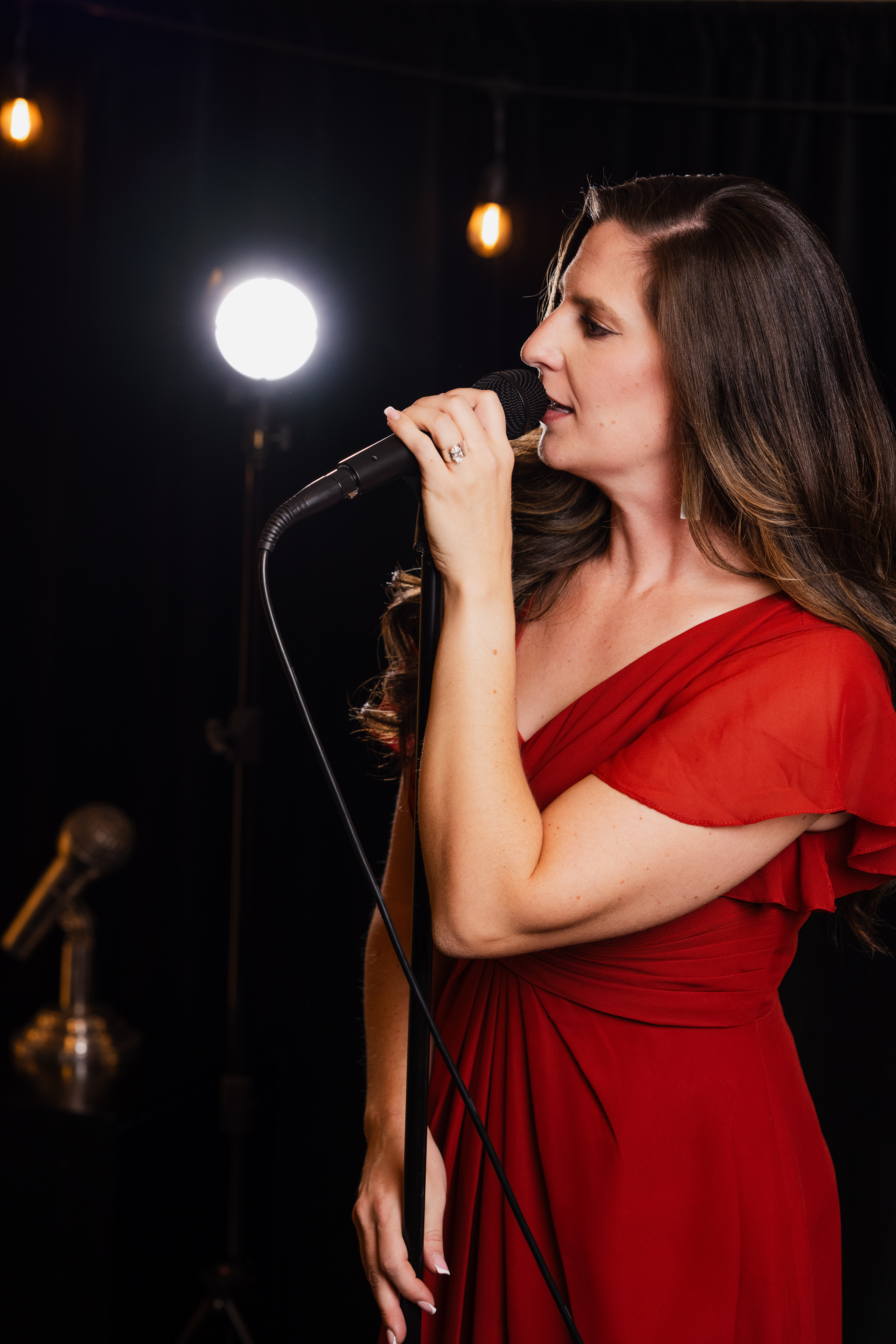
Chelsea Cowan has coached more than 1,000 singers, performers, and voice teachers through private coaching, group training, masterclasses, workshops, and professional development over more than a decade of teaching.
Her students and clients span the globe—including the United States, Canada, the United Kingdom, Europe, Asia, and beyond—and range from developing singers and passionate hobbyists to Broadway performers, recording artists, touring professionals, working vocalists, and fellow voice teachers.
Based in Salt Lake City, Utah, Chelsea provides private Vocal & Performance Coaching from her professional studio, works with singers online worldwide, and travels regularly to New York City for select private coaching, masterclasses, and professional training opportunities.
Beyond private lessons, Chelsea teaches group classes, masterclasses, workshops, offers online vocal courses, and teacher training and is available for guest teaching engagements throughout the United States and internationally. Her work with singers and educators brings together vocal development, style & artistry, performance coaching, and practical vocal pedagogy—with training tailored to the experience, goals, and needs of each individual or group.
Individualized Training for Your Voice
No two voices are exactly alike—and your training shouldn’t be either. Every lesson is personally tailored to your voice, goals, repertoire, and current level so you can develop lasting strength, versatility, confidence, and control.
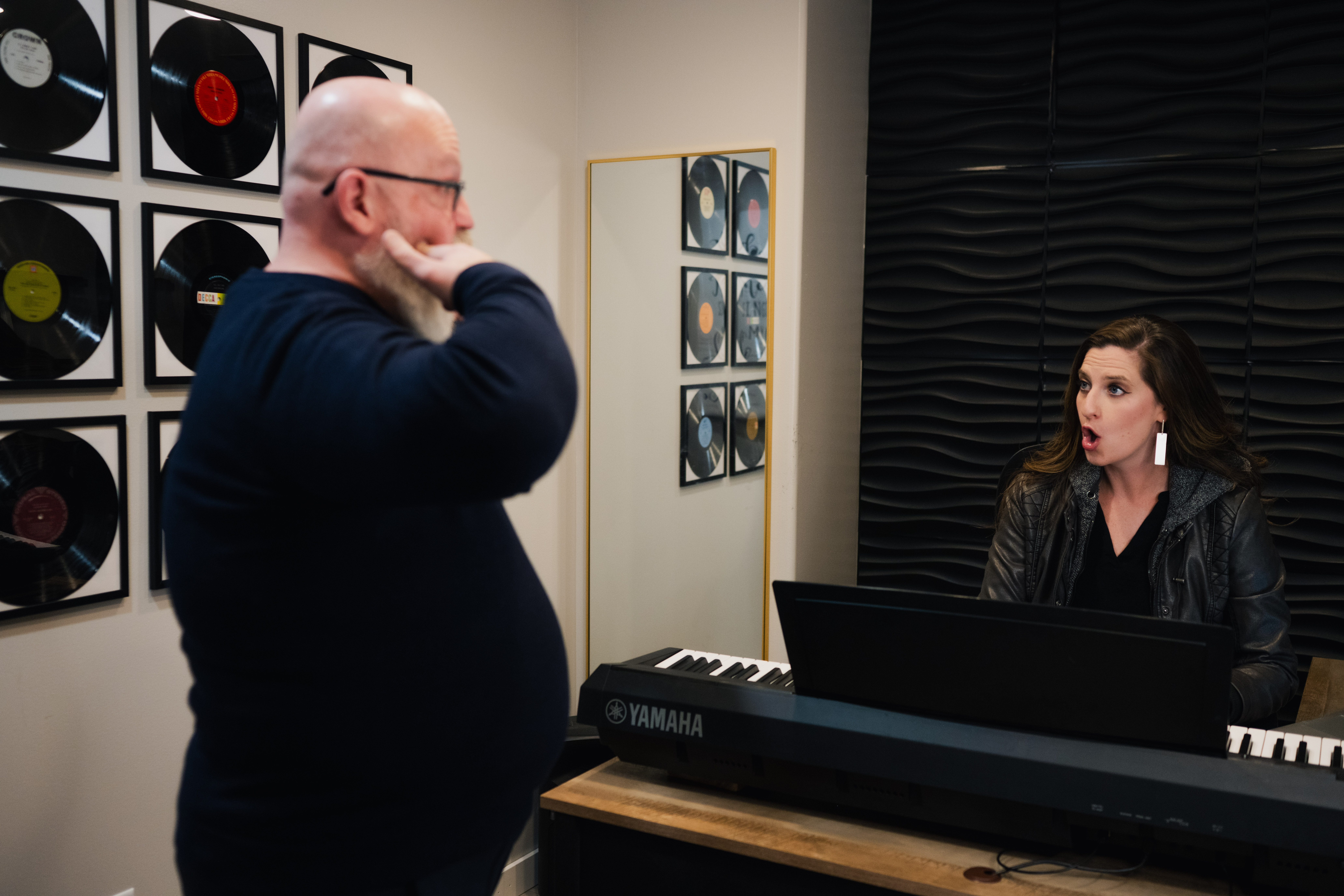
In your first session, we’ll identify your current vocal tendencies, strengths, and areas that may be limiting your voice. From there, Chelsea will develop targeted exercises and technical strategies specific to what your voice needs, followed by direct application to your songs and repertoire.
The goal isn’t simply to get an exercise “right.” You’ll learn to understand what your voice is doing, why an adjustment works, what it sounds and feels like when your coordination changes, and how to recreate those results independently.
Sessions may be recorded so you can continue practicing with clarity and direction between lessons.
Throughout Your Training, You’ll Learn How To:
- Navigate your entire vocal range with greater consistency, developing smoother transitions without unnecessary breaks, strain, or tension.
- Develop a strong, balanced mix with the flexibility to move between lighter and more powerful vocal coordinations.
- Access high notes with greater freedom, control, and confidence.
- Build strength, agility, stamina, and vocal endurance for the demands of rehearsing, recording, touring, and performing.
- Recognize and adjust your individual vocal tendencies so you become increasingly independent in your own practice.
- Apply vocal technique directly to your songs rather than feeling like your exercises and repertoire are two separate skills.
- Develop stylistic versatility and artistic choices appropriate for your genre, voice, and individual sound.
- Refine performance, interpretation, audition, and repertoire skills for the stage, studio, and professional environment.
As coordination becomes more reliable, your artistic and stylistic options expand. Notes that once felt inaccessible become available, demanding repertoire becomes more manageable, and you gain greater freedom to make choices based on artistry rather than vocal limitation.
Because ultimately, great technique isn’t the destination—it gives you the freedom to communicate what you want to say.
Lessons may incorporate vocal technique, song application, repertoire development, stylistic coaching, audition preparation, and performance coaching, depending on your individual goals and what your voice needs that day.
How often
should I take
Lessons?
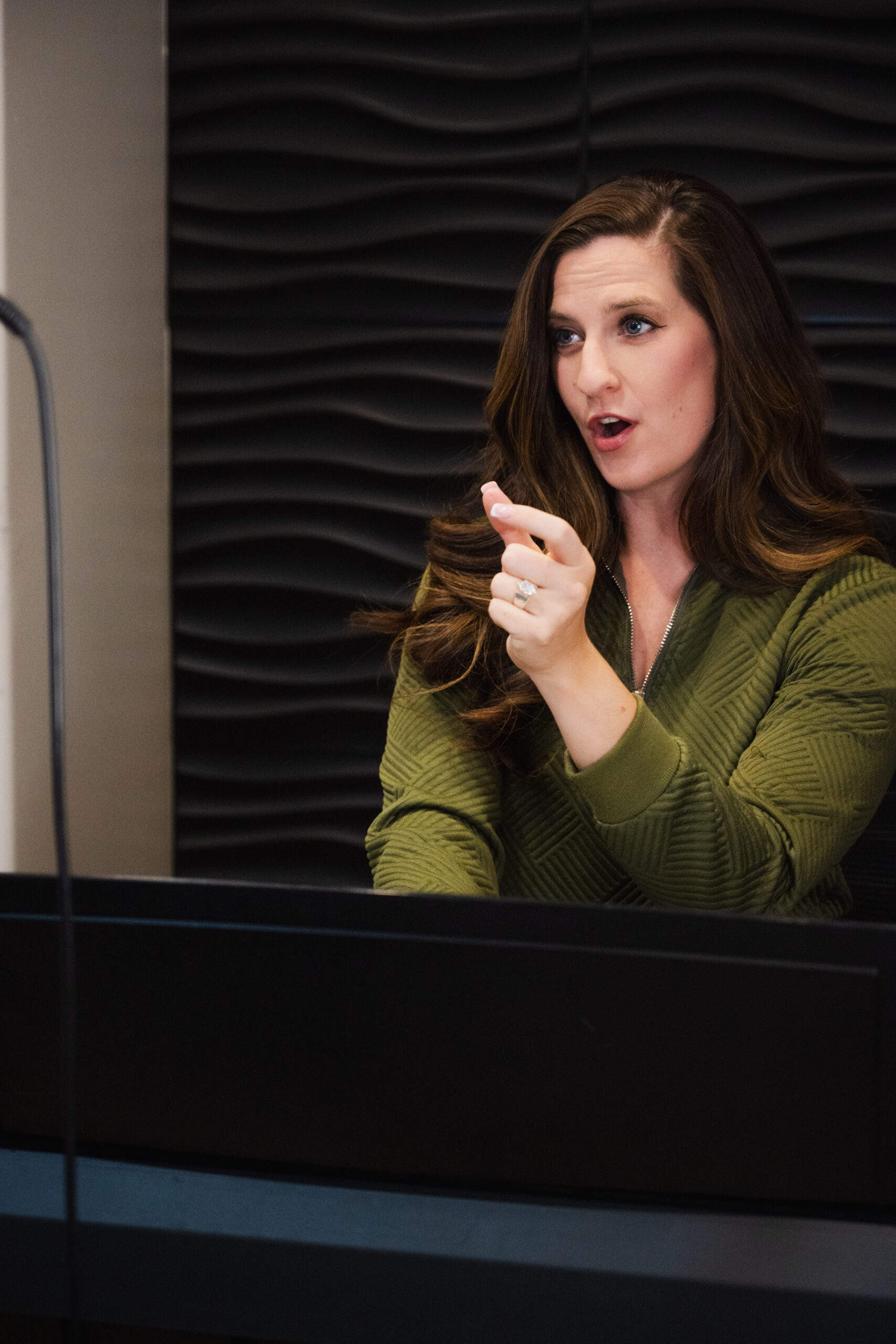
To build a strong, reliable, and adaptable voice, consistency matters. Like any athletic skill, vocal coordination develops through focused training followed by enough independent practice for the body to integrate what it has learned.
For many singers, weekly lessons provide an effective balance between guided training and independent practice.
Professional artists or singers preparing for a recording session, audition, production, concert, or tour may benefit from more frequent coaching for a period of time. Other singers—particularly experienced vocalists with established technique—may choose less frequent sessions for continued development, troubleshooting, repertoire work, or vocal maintenance.
There is no single schedule that is right for every singer. Training frequency should reflect your experience, goals, professional demands, practice schedule, and what your voice currently needs.
The goal is not simply to take more lessons. It is to create enough consistency and intentional practice that the coordination developed during your sessions becomes increasingly reliable when you are singing on your own.